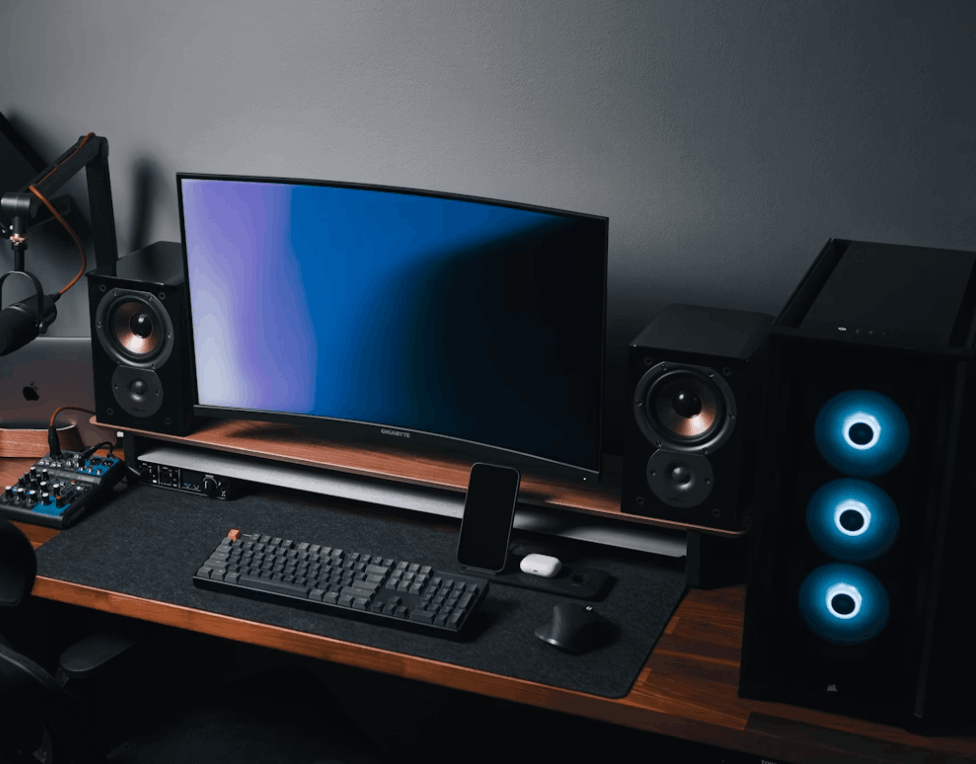
We research how immersive audio design shapes player perception and emotional engagement. Our work examines sound as an element of immersion across digital environments. We explore how developers use audio as a game-design tool to create cohesive and expressive worlds.
Our studio explores immersive audio design with a focus on perception and interaction. We analyze how sound quality and engagement influence player responses across different genres. By studying 3D sound in PC games and sound design in mobile games, we uncover versatile approaches to realism. Our interest lies in how players perceive environments through sound and how this impacts emotional continuity. We share these insights in a structure accessible to developers and players alike.
We recognize audio as a game-design tool that helps shape mood and narrative direction. Through continuous research, we examine how musical accompaniment in games supports transitions and enhances movement flow. Sound effects and atmosphere remain central to our analytical method. We also consider how sound as an element of immersion contributes to spatial awareness. Each publication reflects our dedication to studying the evolving language of game audio.
Our blog focuses on immersive audio design, sound quality and engagement, and the impact of sound on realism across platforms. We review how 3D sound in PC games strengthens spatial orientation and player connection. At the same time, we explore how sound design in mobile games adapts to smaller hardware without losing expressive depth. Many articles examine how musical accompaniment in games supports pacing and mood. We also highlight how sound effects and atmosphere help players perceive environments through sound. Each post combines conceptual explanation with accessible examples.
Sound effects and atmosphere guide emotional tone in both mobile and PC titles. They influence how players interpret environments and understand progression. Immersive audio design adds nuance to narrative elements and expands the sense of realism. Through carefully shaped layers, sound becomes an element of immersion that blends seamlessly with visuals. This synergy supports sound quality and engagement across varied gameplay styles.
3D sound in PC games enhances orientation and helps players read spatial cues. The impact of sound on realism becomes clear when positional audio matches movement and perspective. These techniques highlight audio as a game-design tool with strong expressive potential. They also show how perceiving environments through sound contributes to situational awareness. Taken together, they expand immersive audio design into a core design discipline.
Sound design in mobile games emphasizes clarity, concise cues, and atmospheric balance. Developers rely on compact audio structures that still create emotional resonance. Even within limited device output, the role of sound as an element of immersion remains significant. Musical accompaniment in games on mobile platforms often uses simple motifs to support pacing. Such choices demonstrate how sound quality and engagement influence mobile interaction.
Musical accompaniment in games forms an emotional backbone that supports narrative tension. Its presence shapes how players interpret scenes and transitions. Combined with immersive audio design, it helps unify audio and visual storytelling. The impact of sound on realism becomes more noticeable when rhythms match movement patterns. These layers reinforce the broader concept of sound as an element of immersion.
Our mission is to explore immersive audio design and its influence on modern gameplay. We aim to provide clear explanations that help audiences understand sound as an element of immersion. By studying sound effects and atmosphere, we uncover the subtleties behind emotional impact. Our research on 3D sound in PC games reveals how spatial techniques support realism. We also focus on musical accompaniment in games as a central driver of narrative harmony.
We strive to show how sound quality and engagement influence perception across various platforms. Our analysis of sound design in mobile games highlights adaptive solutions used by developers. Through these insights, we demonstrate how audio as a game-design tool supports interaction. We explore how players perceive environments through sound for improved awareness. This mission guides all content we create.
Our work follows a structured study of immersive audio design, ensuring continuity and clarity.
We explore both 3D sound in PC games and mobile audio structures to present different creative methods.
We highlight how players perceive environments through sound for improved understanding of atmosphere.
We study immersive audio design through observation, comparison, and contextual evaluation. Our work involves analyzing how sound as an element of immersion influences emotional flow. We explore how sound quality and engagement affect both moment-to-moment interaction and long-term memory. By examining 3D sound in PC games, we explain how spatial audio supports the perception of detail. We also address how musical accompaniment in games extends narrative transitions.
Another key part of our approach is understanding how sound design in mobile games adapts to different hardware. We analyze how perceiving environments through sound provides structure to gameplay experiences. We evaluate how sound effects and atmosphere guide players through virtual landscapes. Each study highlights audio as a game-design tool with versatile uses. This method helps us identify patterns and share practical observations.
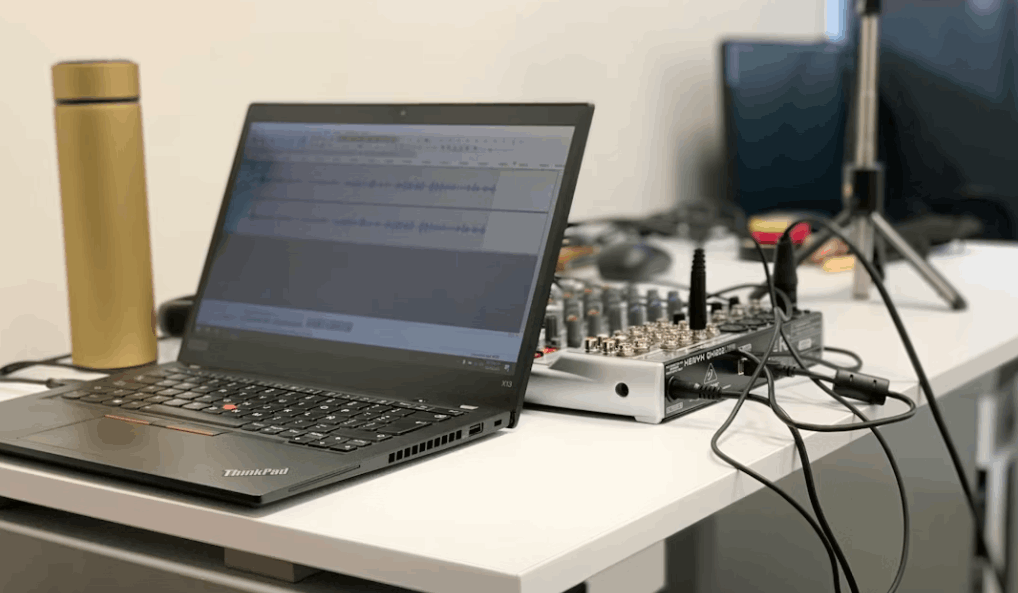
We answer common questions about immersive audio design and its role in gaming. These explanations help clarify how sound as an element of immersion functions across platforms. They also show how sound quality and engagement influence different types of gameplay. We explore how 3D sound in PC games and sound design in mobile games offer distinct approaches.
Sound shapes emotional tone, movement perception, and environmental clarity. By combining sound effects and atmosphere, developers create expressive layers. These layers form a base for perceiving environments through sound.
3D sound in PC games enhances spatial awareness by providing directional cues. Players interpret distance and movement more effectively when audio aligns with visual structure. It also increases the impact of sound on realism.
Sound design in mobile games focuses on concise cues and controlled frequency ranges. Developers use compact layers to preserve mood and atmosphere. This allows sound as an element of immersion to remain effective on smaller speakers.
Musical accompaniment in games creates rhythmic guidance that shapes emotional flow. It supports transitions and helps maintain narrative continuity. These patterns strengthen sound quality and engagement.
Perceiving environments through sound helps players understand the spatial layout of a scene. Subtle atmospheric details guide direction and depth. This supports immersive audio design across genres.
Audio as a game-design tool shapes interaction through timing, cues, and emotional emphasis. It supports both realism and artistic expression. By combining multiple layers, audio enhances the overall sense of immersion.